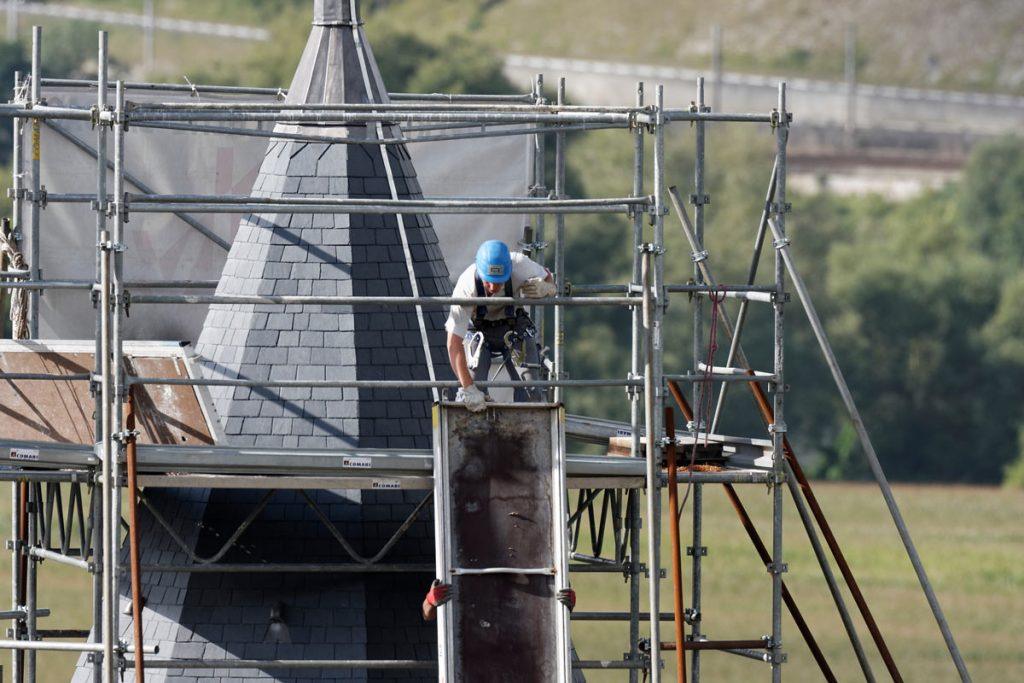
It’s easy to forget about your roof when everything appears fine from ground level. There are no obvious leaks, no tiles on the driveway, and no visible signs of damage.
As a result, roof inspections tend to be pushed down the priority list until a problem becomes apparent, often at the worst possible time.
Regular professional inspections can help identify issues early, sometimes before they even become visible inside your home.
A small crack, a loose tile, or minor wear around flashing may seem insignificant, but left unchecked, these problems can gradually turn into costly repairs.
Staying ahead of them is often far simpler than reacting later.
Why Regular Roof Inspections Matter
A roof is constantly exposed to the elements, from heavy rain and strong winds to frost and temperature changes.
Over time, even the most well-installed roof can begin to show signs of wear. What starts as a minor issue, such as a slipped tile or small gap, can allow water to seep in and cause internal damage.
Regular inspections help identify these issues early, which can protect both the structure of the property and the interior.
It’s not just about avoiding leaks either. Inspections can highlight ventilation problems, early signs of rot, or weaknesses that could compromise the roof’s stability over time.
General Recommendation for Roof Inspections
For most homes in the UK, arranging a professional roof inspection once a year is a sensible starting point.
This allows any gradual wear and tear to be picked up before it becomes more serious. Annual checks tend to strike a balance between being proactive without becoming excessive.
It’s also wise to arrange an inspection after severe weather events.
Strong winds, heavy rain, or storms can cause damage that isn’t immediately visible from the ground. Even if everything looks intact, a professional check can confirm whether any hidden issues have developed.
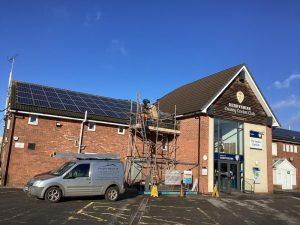
Factors That Affect Inspection Frequency
Not every roof follows the same timeline when it comes to maintenance. Older roofs, for example, may require more frequent inspections simply because materials begin to degrade over time.
A roof that is 20 or 30 years old will likely need closer attention than a newer installation.
The surrounding environment also plays a part. Properties near large trees may deal with falling debris or blocked gutters, while homes in exposed areas may experience stronger winds.
Flat roofs, in particular, can be more prone to pooling water, which may mean they benefit from more regular checks.
Signs You May Need an Inspection Sooner
Certain warning signs suggest an inspection shouldn’t wait. Damp patches on ceilings, water stains, or mould growth inside the property can all point to a roofing issue.
Even something as simple as a sudden draft in the loft may indicate gaps or damage.
From the outside, missing tiles, sagging sections, or debris collecting in unusual places can also be early indicators.
It might be tempting to ignore these if they seem minor, but they often suggest a deeper issue. Acting early can prevent the situation from becoming more complicated.
What Happens During a Professional Roof Inspection
During a professional inspection, a roofer will typically assess the overall condition of the roof and look for any signs of damage or wear.
This includes checking tiles or slats, inspecting flashing around chimneys and vents, and examining gutters for blockages or damage.
They may also look at structural elements where accessible, such as the loft space, to identify any signs of moisture or weakness.
The advantage of a professional inspection is the trained eye. Subtle issues that might go unnoticed by a homeowner are often picked up quickly by someone with experience.
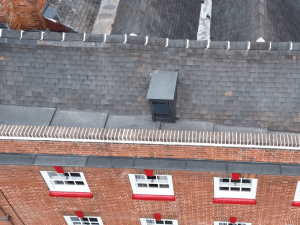
Can You Inspect Your Roof Yourself?
It is possible to carry out basic visual checks yourself, especially from the ground or inside the loft.
Keeping an eye out for obvious issues like missing tiles or water marks can be helpful as part of routine home maintenance. However, this approach has its limitations.
Climbing onto the roof is not only risky but can also lead to accidental damage if done incorrectly.
There’s also the chance of missing less obvious problems, such as small cracks or early signs of deterioration. In most cases, a professional inspection provides a far more reliable assessment.
Cost of Roof Inspections in the UK
The cost of a roof inspection in the UK can vary depending on the size of the property and the complexity of the roof.
In many cases, inspections are relatively affordable, particularly when compared to the cost of major repairs that could arise from neglected issues.
Some roofing companies may even include an inspection as part of a maintenance service or provide it at a reduced rate if further work is required.
While it might seem like an added expense, it often works out as a cost-effective way to protect your property in the long run.
Conclusion
Keeping on top of roof inspections is one of those things that may not feel urgent, but it can make a noticeable difference over time.
Small issues are far easier and cheaper to deal with when they are caught early, rather than after they have had a chance to develop.
By arranging regular professional inspections and staying alert to any warning signs, homeowners can help ensure their roof remains in good condition.
It’s a simple step that can go a long way towards avoiding unnecessary stress and unexpected repair costs later on.