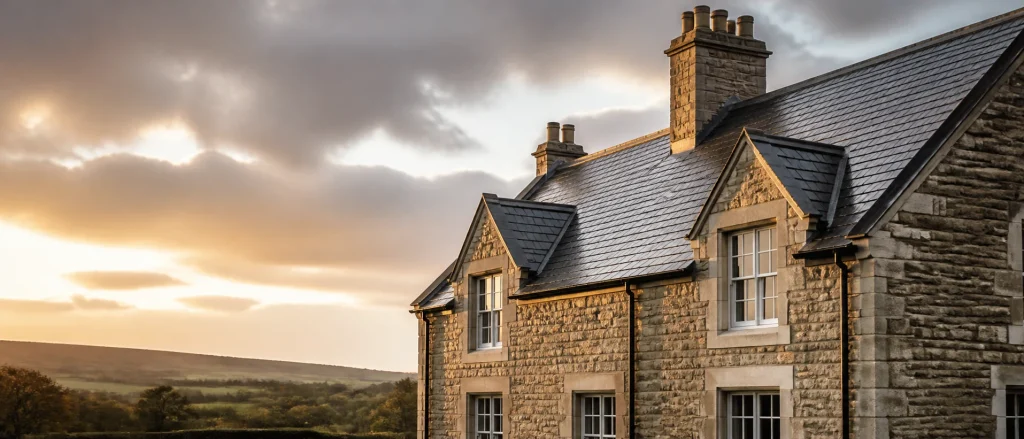
Historic homes need more than a standard repair when the roof starts to fail. Their coverings, timbers, chimneys, valleys and rainwater goods often work as one carefully balanced system, shaped by age, craftsmanship and the materials available when the property was built.
Conservation roofing is about keeping that system watertight without stripping away the character that makes the building special. Done well, it protects the home, respects its fabric and helps older roofs keep performing with confidence.
What makes conservation roofing different
Conservation roofing starts with understanding the existing roof before deciding what to change. A modern roof can often be approached as a clean installation, but an older roof may include uneven rafters, hand cut timbers, lime mortar, natural slate, clay tiles, leadwork and chimney details that have settled gradually over time.
The aim is not to make an old roof look new. The aim is to make it sound, weather resistant and appropriate to the property. That means retaining usable materials wherever possible, matching replacements with care and avoiding quick fixes that could trap moisture or alter how the roof breathes.
A heritage roofing specialist will look at the roof as a piece of building fabric, not just a surface covering. They will consider how water moves across the roof, how air circulates beneath it, how chimneys and abutments are sealed, and how gutters carry rain away from vulnerable walls.
This matters because older buildings often manage moisture differently from newer ones. Materials such as lime, slate, clay and timber can cope well with weather when they are allowed to dry naturally. The wrong repair can interrupt that process and create hidden damp, decay or staining.
Keeping the original character intact
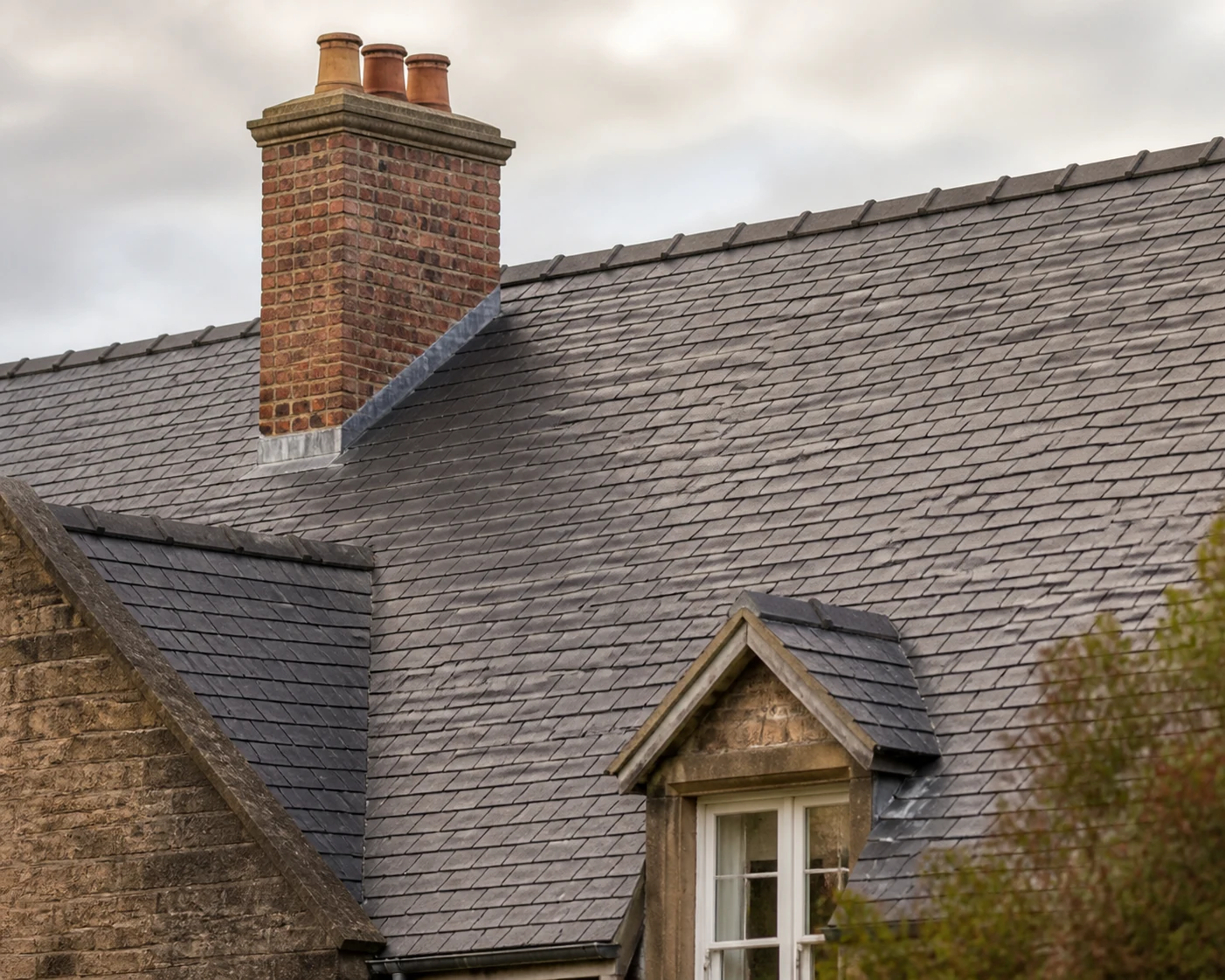
One of the most important parts of conservation roofing is deciding what can stay. Original slate, handmade clay tiles, ridge details and chimney features may have visible age, but that does not automatically mean they have failed. In many cases, careful repair and selective replacement will protect the roof while keeping its character intact.
This is where experience counts. The roofer needs to know the difference between natural weathering and genuine failure. A slightly uneven roofline, for example, may be part of the building’s age and structure. A slipped slate, open joint or failing flashing, however, may need prompt attention to prevent water getting beneath the covering.
When replacements are needed, the best approach is usually to match the existing material as closely as practical. That may include matching slate size, thickness, colour tone, tile profile, ridge style or mortar finish. The goal is for new work to sit comfortably with the old fabric rather than standing out as a harsh modern patch.
For homeowners comparing traditional coverings, Proper Roof also has a helpful guide to slate and tile roofing, which explains how each material behaves and where it is commonly used.
How specialist methods keep water out
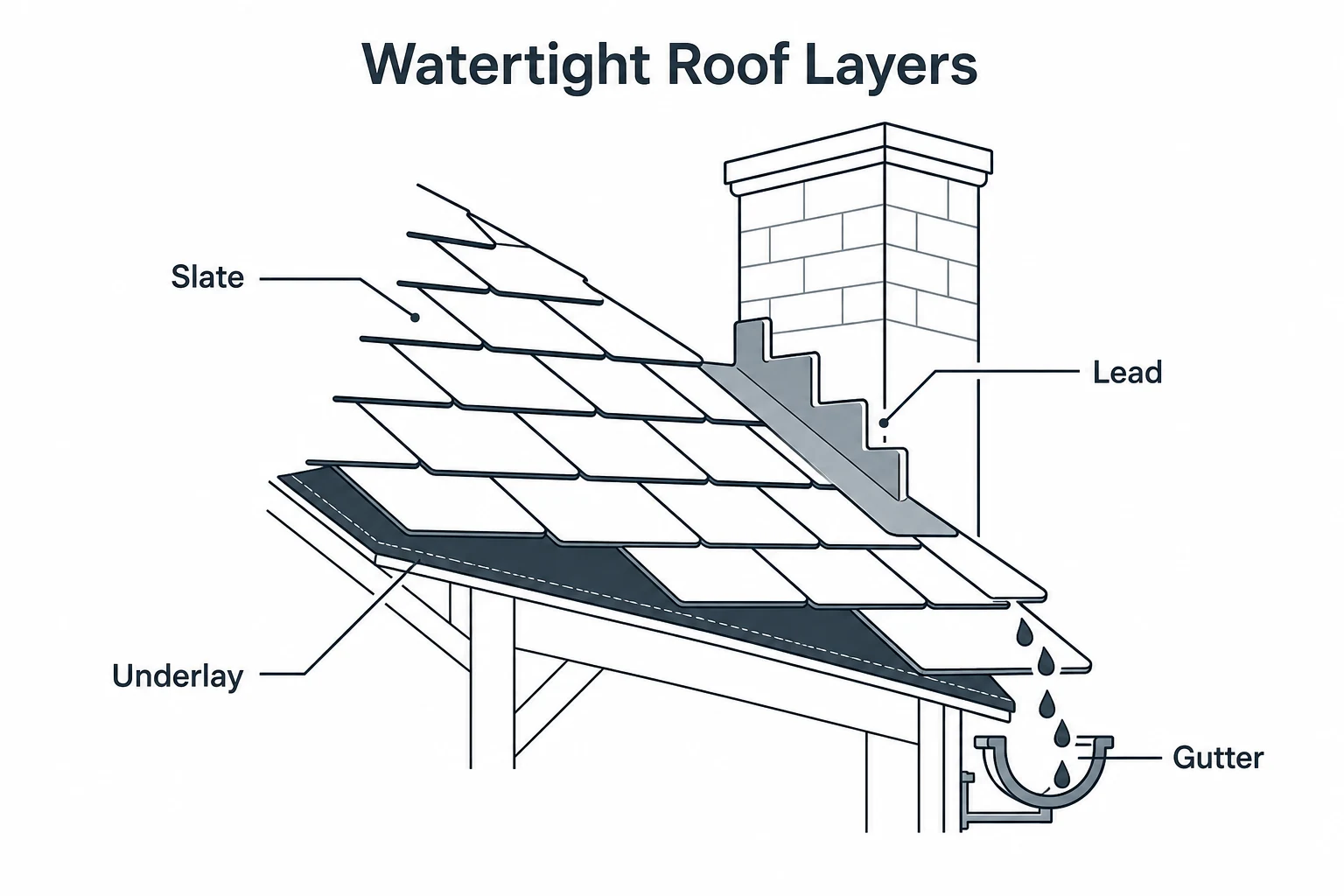
A watertight historic roof depends on a series of details working together. The main covering sheds the bulk of the rain, but vulnerable points often sit around valleys, verges, hips, ridges, chimneys, dormers, parapets, roof windows and wall junctions. Conservation roofing pays close attention to those details because small defects can let in a surprising amount of water.
Leadwork is a common example. Lead flashings, soakers, valleys and aprons need to be formed and fixed correctly so they can expand, contract and guide water away. Poorly dressed lead, cracked mortar or incompatible sealants may hold for a short while, but they rarely respect the movement of an older roof.
Mortar is another key detail. On many historic roofs, lime based materials are more suitable than hard cement because they allow movement and moisture transfer. Using the wrong mortar can make surrounding materials work harder than they should, which may lead to cracking or trapped damp.
Ventilation and breathability also matter. Some older roofs were designed before modern membranes became common, so adding modern layers without understanding the building can change moisture behaviour. A conservation minded roofer will consider whether the roof needs discreet ventilation, improved underlay, repaired timber support or a more traditional repair method.
Where chimneys are involved, the roof covering and the stack need to be considered together. Defective flaunching, open joints, loose pots or tired flashings can all allow rain to enter. If a chimney is part of the roof problem, dedicated chimney repair work may be needed alongside the roofing repairs.
Repair, reroof or replace carefully
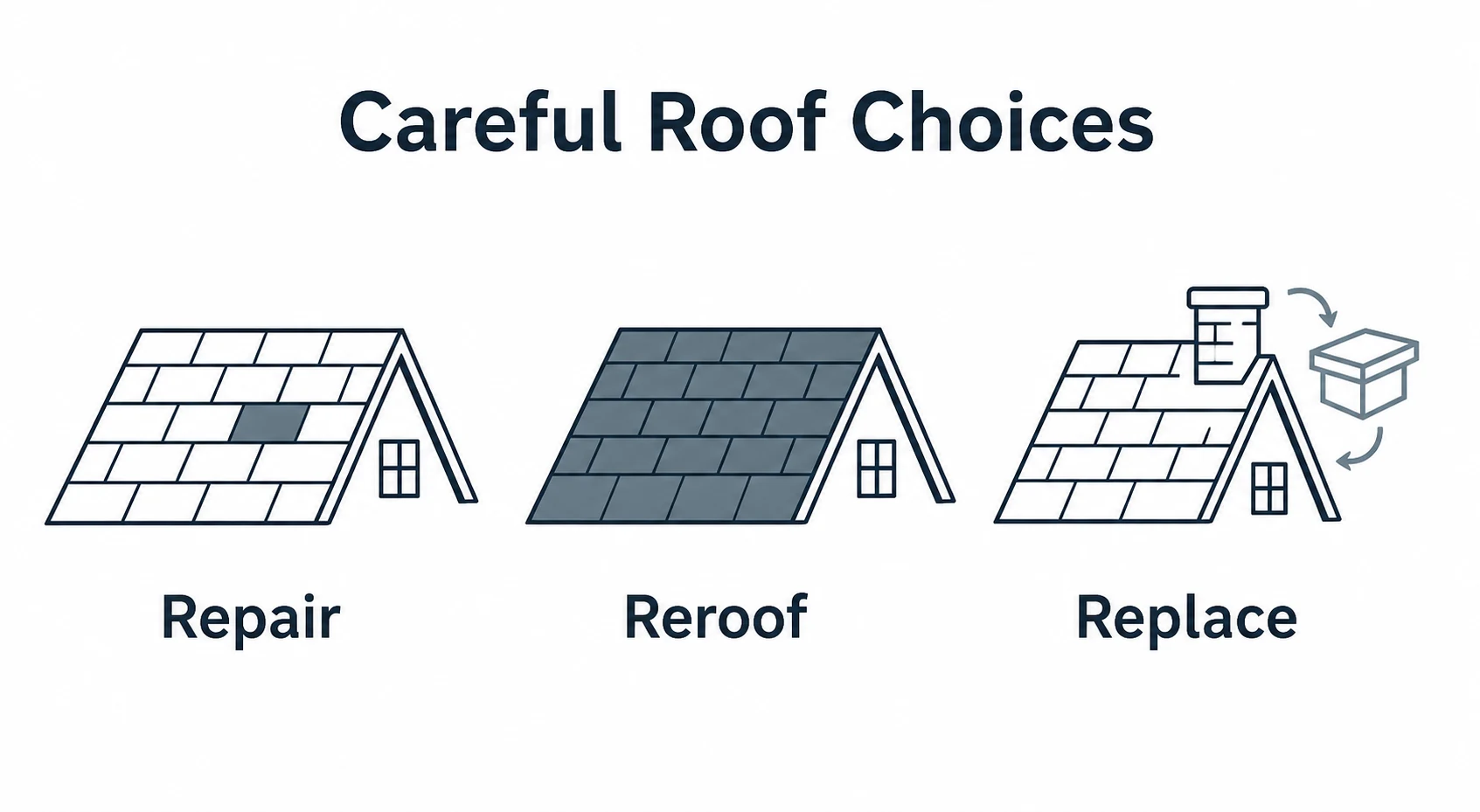
Not every historic roof needs major work. In many cases, the best solution is a focused repair that deals with slipped slates, broken tiles, damaged leadwork, blocked gutters or localised timber issues. A careful inspection helps separate urgent defects from cosmetic ageing.
Sometimes, however, a roof has reached the point where wider reroofing is the more sensible route. This may happen when fixings have failed across large areas, coverings have become too fragile to reuse, or water has affected battens and supporting timbers. Even then, conservation principles still apply.
A responsible reroof keeps as much useful original material as possible. Good slates or tiles may be lifted, sorted and reused on prominent slopes, with sympathetic replacements used where needed. Ridge pieces, decorative details and chimney features can often be repaired or reinstated so the roof keeps its established look.
The same thinking applies to newer supporting elements. Battens, underlay, flashings and rainwater goods should improve performance without making the roof look inappropriate. The finished result should feel settled, durable and respectful, not overworked.
If a roof needs broader structural attention or a full covering replacement, it is worth comparing the scope with Proper Roof’s new roofs service, especially where performance, materials and appearance need to be considered together.
Why the right contractor matters
Historic roofs reward patience, judgement and practical knowledge. A general repair can stop a leak today, but if the method is not right for the building, it may create a different problem later. That is why many owners look for historic roofing contractors or conservation roofing contractors rather than treating the job as a standard roofing task.
The right contractor will inspect before prescribing. They will look for the source of water entry, not just the nearest visible stain. They will check surrounding details, assess whether materials can be reused and explain the reasoning behind the recommended approach.
For listed style properties, extra care may be needed around appearance, material choice and method. Even when formal consent is not part of the project, the same principles are useful: preserve character, avoid unnecessary change and use methods that suit the age and construction of the roof.
Good communication matters too. Homeowners should understand what is being repaired, what is being retained and why certain materials have been chosen. Clear advice helps avoid over specification on one hand and short lived patching on the other.
Proper Roof’s article on why heritage buildings require specialist roofing contractors expands on this point, especially for owners who want to understand the value of specialist experience before arranging work.
Practical signs your historic roof needs attention
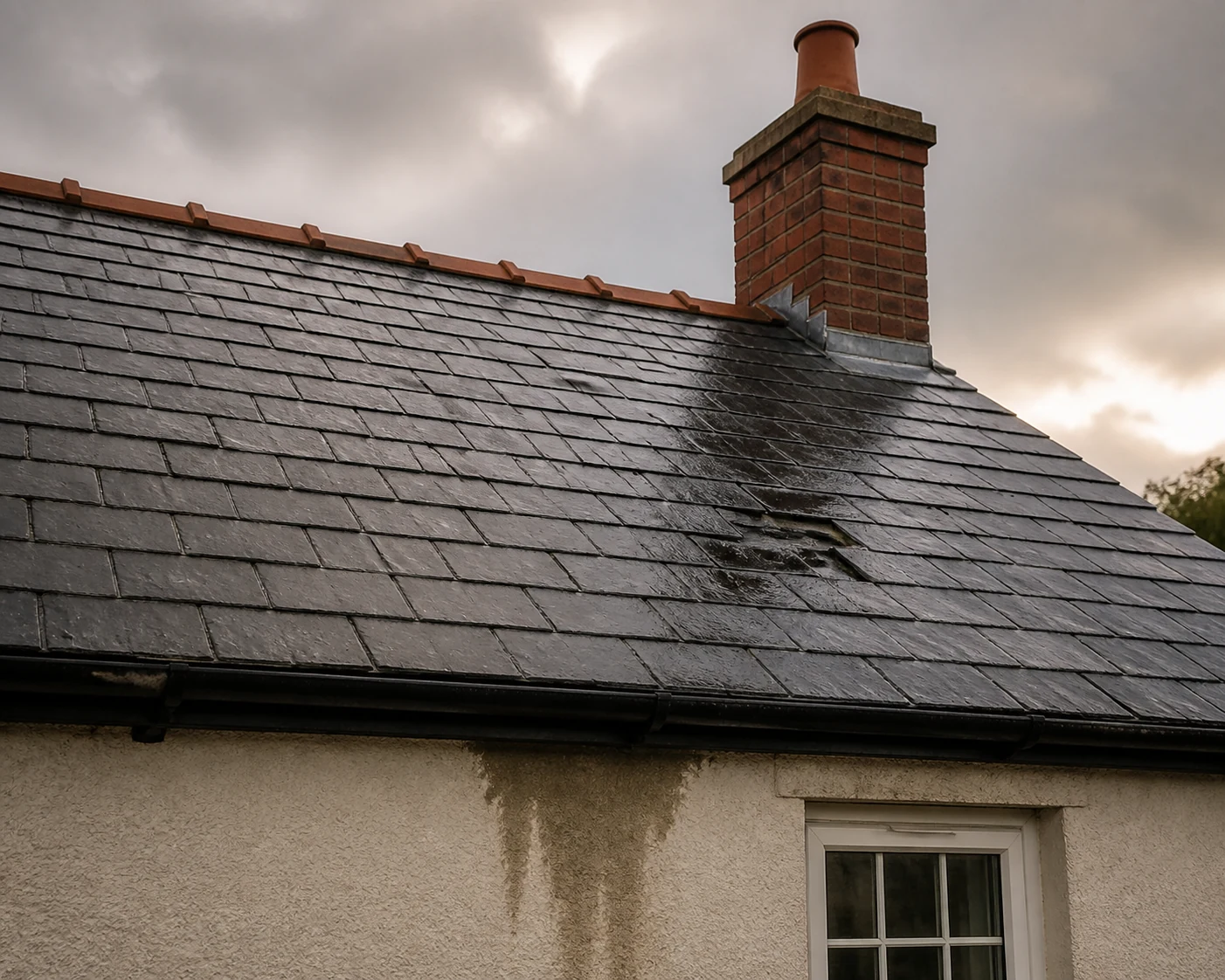
Older roofs often give early warning signs before a serious leak develops. Inside the property, look for damp patches near chimney breasts, ceilings, loft timbers or external walls. Musty smells, staining after heavy rain or patches that return after drying can all point to water getting through the roof covering or a junction detail.
Outside, common signs include slipped or missing slates, cracked tiles, open ridge joints, vegetation in gutters, staining below rainwater outlets, loose leadwork, damaged fascias or overflowing gutters. These issues are easier to deal with when they are found early.
It is also sensible to arrange an inspection after severe weather if the roof is already aged or known to have fragile materials. Storms can move coverings, expose weak fixings or worsen small gaps around flashings. A prompt check can prevent a minor defect becoming a larger internal problem.
The key is not to panic, and not to ignore it either. Historic roofs are often very resilient when they are maintained with the right methods. Regular attention, sympathetic materials and skilled repairs can keep them dry while preserving the details that give the property its appeal.
- Conservation roofing protects older homes by repairing the roof in a way that suits the original materials and construction.
- The aim is to keep the property watertight while retaining character, not to make the roof look newly built.
- Details such as leadwork, chimneys, mortar, valleys, gutters and ventilation are often just as important as the main roof covering.
- A specialist contractor can identify what should be retained, repaired or carefully replaced.
- Early inspection helps prevent small defects from becoming more serious water damage.
Frequently asked questions
What is conservation roofing?
Conservation roofing is the repair, maintenance or renewal of older roofs using methods and materials that respect the building’s age, appearance and construction. It focuses on weather protection while preserving original character wherever possible.
Can original slates or tiles be reused?
Often, yes. If they are sound, original slates or tiles can sometimes be lifted, sorted and reused as part of a careful repair or reroof. Any replacements should be chosen to sit naturally with the existing roof.
Why are historic roofs more sensitive to modern repairs?
Older roofs often rely on breathable materials, natural movement and traditional details. Hard mortars, unsuitable sealants or poorly chosen membranes can interrupt how the roof manages moisture, which may cause hidden problems.
When should I ask a heritage roofing specialist to inspect the roof?
Arrange an inspection if you notice damp, slipped slates, cracked tiles, failing leadwork, chimney staining, overflowing gutters or recurring leaks. It is also wise after severe weather if the roof is old or already fragile.
Speak to Proper Roof about heritage roofing
If your older property needs careful roof repairs, maintenance or conservation led reroofing, Proper Roof can assess the roof properly and recommend a sympathetic way forward.