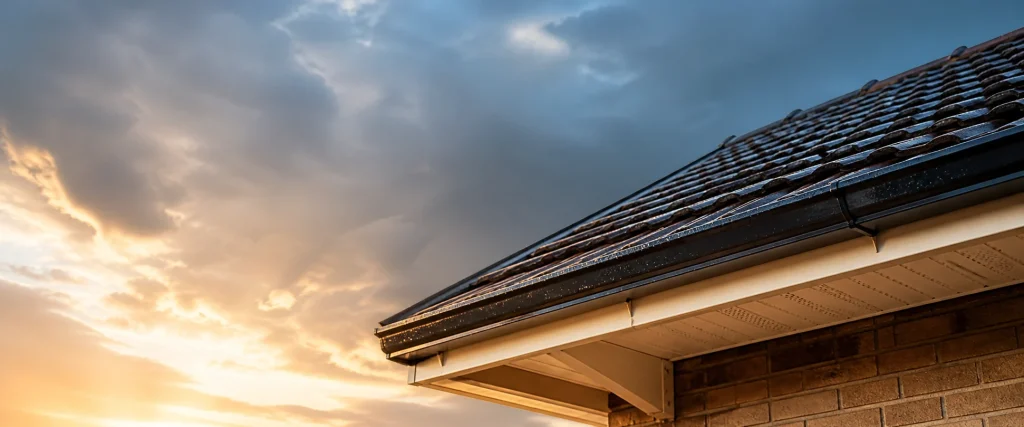
Soffits sit quietly beneath the roof edge, so they are easy to overlook. Yet they can play an important role in keeping the roof space above your ceilings healthy, dry and able to breathe.
When soffit ventilation is working properly, fresh air can enter at the eaves and help moisture escape through the roof space. That simple movement of air helps protect timber, insulation, roof coverings and the wider structure from problems that often start out of sight.
What soffit ventilation actually does
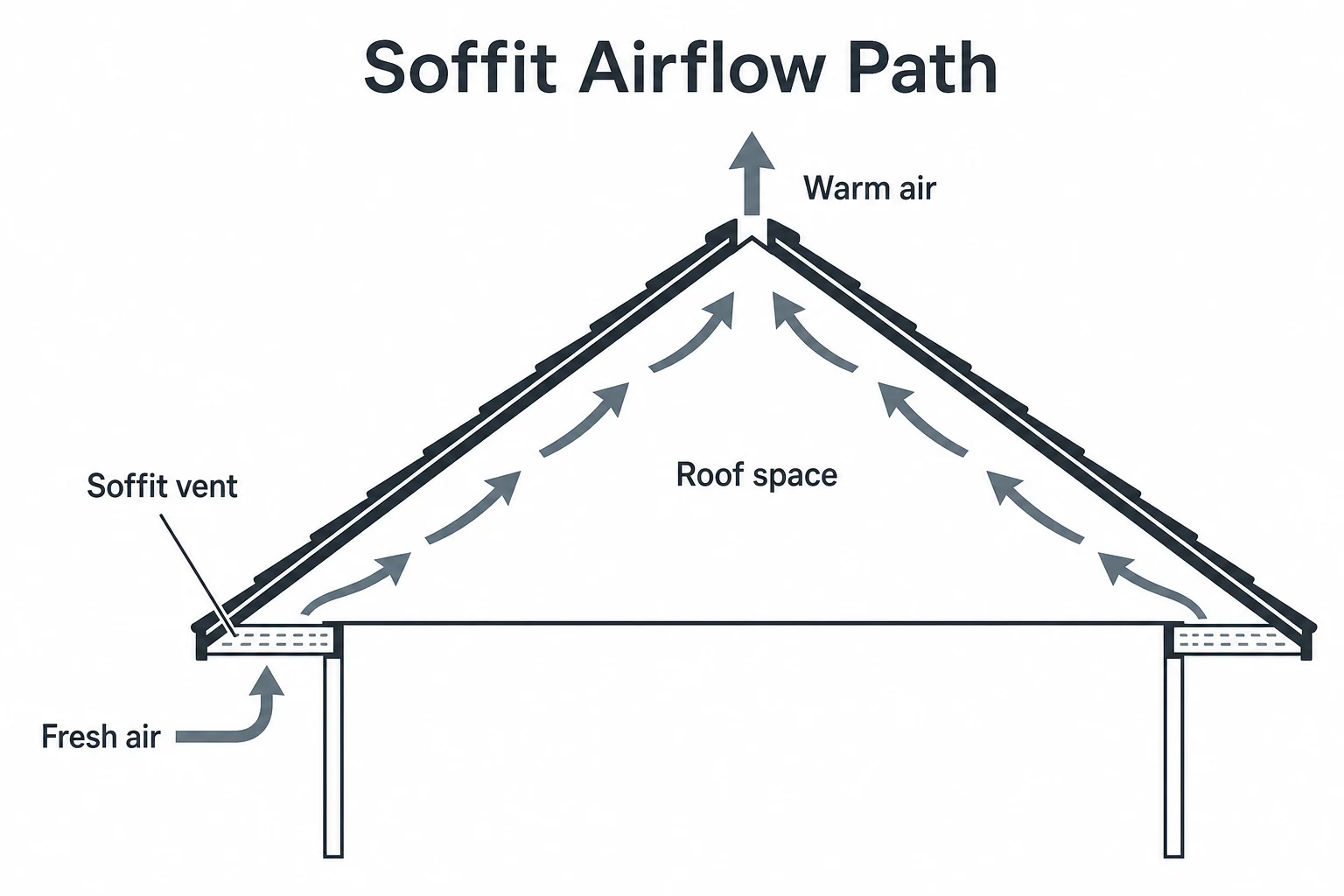
A soffit is the board or surface fitted underneath the roof overhang, between the outer wall and the fascia. In many homes, this area includes discreet ventilation slots, strips or grilles. These openings allow outside air to enter the roof space at the lowest part of the roof.
That incoming air is part of a wider ventilation path. In a healthy pitched roof, air usually enters around the eaves, moves through the roof void and exits higher up through suitable ventilation points. The exact setup depends on the roof type, covering, insulation layout and age of the property, but the principle is the same. The roof space needs controlled airflow.
Without that airflow, warm moist air from everyday living can linger in the loft. Cooking, bathing, drying clothes and even normal breathing all add moisture to indoor air. If that moisture reaches a cold roof space and cannot disperse, it can condense on timbers, underlays and stored items.
Soffit ventilation is not about letting draughts into living rooms. It is about giving the roof void a route to manage moisture safely. When the soffits, fascias and gutters are in sound condition, the roof edge can help the whole roof perform as intended. Proper Roof covers fascias, soffits and gutters as part of maintaining this important roof edge system.
Why airflow matters for timber, insulation and roof coverings
A roof space does not need to feel warm and sealed to be healthy. In many homes, it is better for the loft void to remain cool and ventilated while the insulation keeps warmth within the rooms below. When that balance is disturbed, moisture can become trapped where it should not be.
Timber is one of the main concerns. Rafters, joists and battens are strong materials, but persistent damp conditions can encourage decay. A small amount of condensation on a very cold day is not always a crisis, but regular moisture, staining or a musty smell should be taken seriously.
Insulation also relies on a dry environment. Damp insulation can lose some of its effectiveness and may begin to slump or hold moisture against surrounding materials. That can make rooms harder to heat and can create a cycle where the roof space continues to struggle with condensation.
Roof coverings can be affected too. Slates, tiles, underlays and fixings are all part of a system. If moisture is repeatedly held beneath the covering, small weaknesses may become more noticeable over time. Ventilation does not replace good roof maintenance, but it supports it by helping the hidden side of the roof remain in better condition.
This is why soffit ventilation should be seen as part of overall roof care, not as a small cosmetic detail. It helps the roof structure cope with normal daily moisture before it turns into a bigger issue.
Common ways soffit ventilation becomes blocked or ineffective
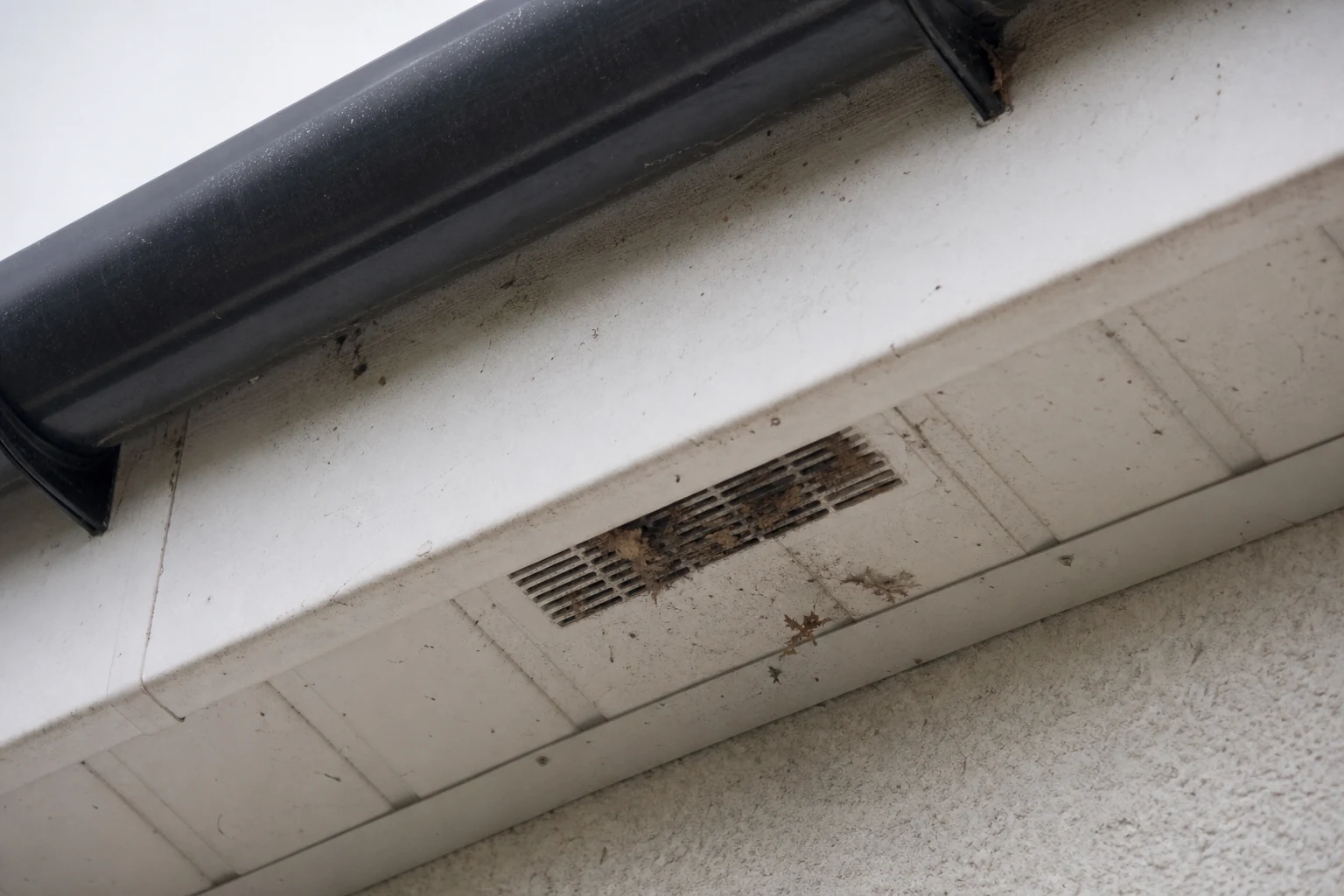
Soffit vents can stop working well for several reasons. Sometimes the issue is visible from outside. Paint, debris, dirt or old sealant may cover the ventilation openings. In other cases, the soffit boards may have warped, cracked or been poorly altered during previous work.
Blocked gutters can also contribute to roof edge problems. If rainwater spills back towards the fascias and soffits, the surrounding boards can become damp. Over time, that may affect the stability of the roof edge and the ventilation details built into it.
Inside the loft, insulation is another common cause. Loft insulation is valuable, but if it is pushed tightly into the eaves, it can block the airflow entering through the soffits. This is often accidental. A homeowner may top up insulation with good intentions, only to close off the air path at the roof edge.
Older roofs can present different challenges. Some properties were built with different ventilation expectations, and later changes such as added insulation, replacement windows or altered heating patterns can change how moisture behaves. In more sensitive buildings, roof ventilation needs to be considered alongside the original construction. Proper Roof also works with heritage roofing, where roof edge details often need careful judgement.
There is also the simple issue of age. Soffits, fascias and fixings are exposed to changing weather throughout the year. Even good materials need checking from time to time so small defects do not undermine the wider roof edge.
Signs your roof space may need better ventilation
Because soffit ventilation works mostly out of sight, problems can go unnoticed until there are clear symptoms. One of the most common signs is condensation in the loft, especially on the underside of the roof covering, on stored belongings or around cold surfaces.
A musty smell in the roof space can also suggest poor airflow. Damp staining on timbers, dark patches around the eaves or insulation that feels wet or compressed should be investigated. These signs do not always mean the soffits are the only issue, but they are worth checking as part of the roof edge system.
Outside, look for soffits that are cracked, sagging, swollen or showing signs of staining. If vents appear painted over or filled with dirt, airflow may be restricted. Dripping or overflowing gutters can point to roof edge maintenance needs as well, especially if water is reaching the soffit boards.
It is important not to assume every loft moisture problem has the same cause. Leaks, damaged tiles, chimney defects, poor bathroom extraction and blocked ventilation can all create similar symptoms. If damp appears near a stack, for example, the issue may need a closer look at chimney repairs rather than soffits alone.
A proper inspection helps separate ventilation issues from water ingress. That distinction matters because the right remedy depends on where the moisture is coming from and how the roof is designed to breathe.
How soffit maintenance supports the wider roof edge
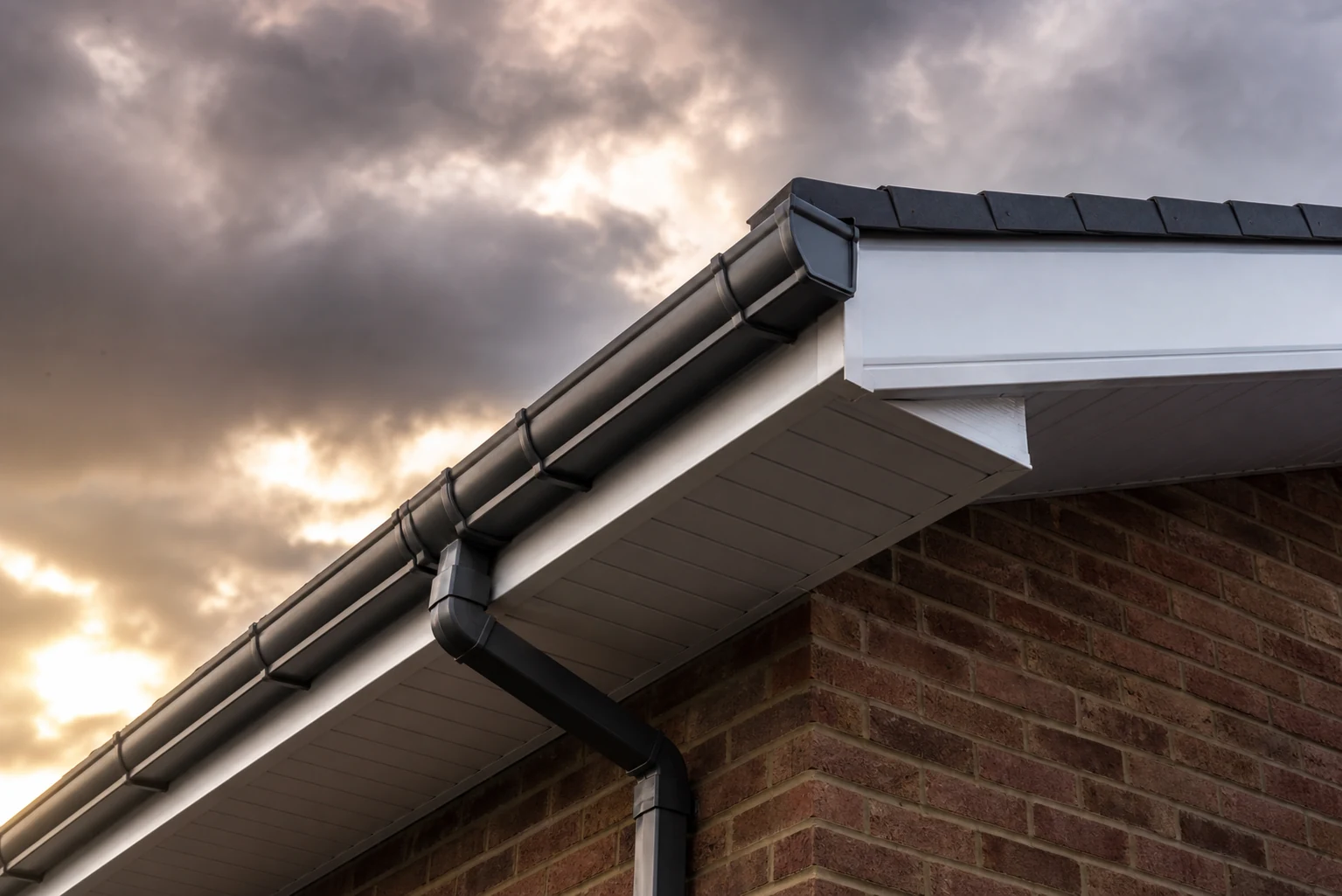
Good soffit maintenance is not only about keeping vents open. The surrounding fascia, guttering, fixings and roof edge details all need to work together. If one part fails, it can affect the others.
For example, gutters should collect and carry rainwater away cleanly. Fascias should provide a sound edge for the guttering and help protect the ends of roof timbers. Soffits should close the underside of the roof overhang while allowing ventilation where required. Together, they help defend one of the most exposed parts of the roof.
When a roofer inspects soffits, they may look at the condition of the boards, the ventilation openings, the gutter line, signs of staining and the general airflow route into the roof space. They may also check whether insulation is blocking the eaves from inside the loft.
In some cases, maintenance may be straightforward, such as clearing blocked vents or correcting insulation position. In others, damaged soffits may need repair or replacement as part of a wider roof edge improvement. The aim is not just to make the outside look tidy, but to support the health of the roof structure behind it.
Homeowners are often told simple roof fixes will solve every issue, but roof systems are more connected than that. Proper diagnosis matters, which is one reason the advice in common roofing myths that cost homeowners money is useful when deciding what to do next.
When to ask a roofer to check your soffits
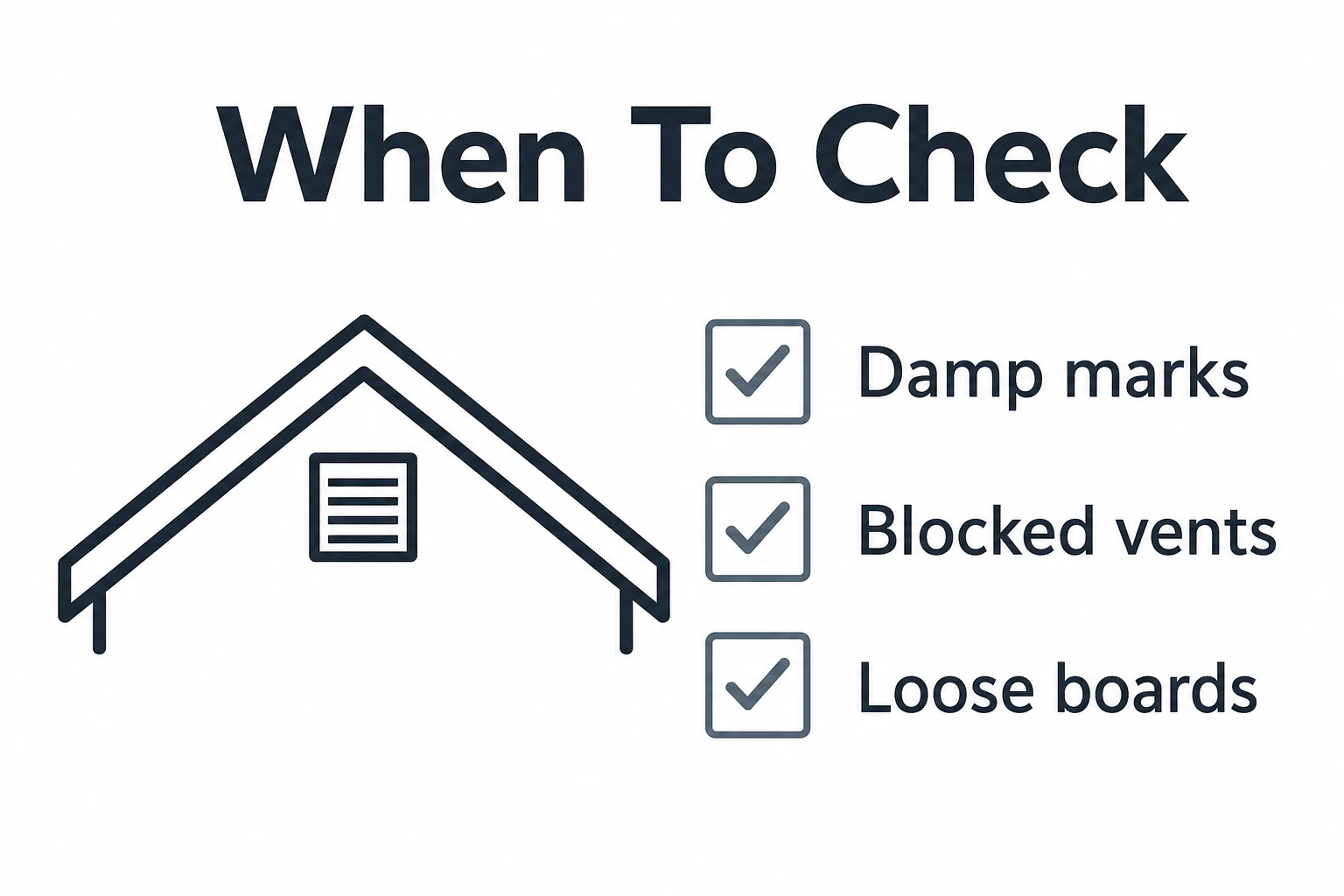
It is sensible to ask for a professional check if you notice damp smells in the loft, visible condensation, stained timbers, damaged soffits or recurring gutter overflow. You should also seek advice before blocking, sealing or altering soffit vents, even if the roof space feels cold.
A roofer can look at the whole roof edge and judge whether the ventilation is suitable for the property. They can also spot related issues, such as defective guttering, loose fascias, damaged roof coverings or signs of water entering from another source.
If you are planning insulation work, it is worth thinking about ventilation at the same time. Insulation should improve comfort without closing the airflow paths the roof relies on. The right balance keeps warmth where you want it, while helping the roof void stay dry.
Soffit ventilation is a small detail with a big supporting role. Keeping it clear, sound and correctly matched to the roof can help reduce moisture risk and protect the structure above your home.
- Soffit ventilation helps fresh air enter the roof space at the eaves.
- Good airflow can reduce condensation risk and help protect roof timbers and insulation.
- Blocked vents, poor insulation placement and damaged roof edge components can all affect ventilation.
- Soffits work best when fascias, gutters and roof coverings are maintained as a complete system.
- A professional inspection can identify whether moisture is caused by ventilation, a leak or another roof issue.
Frequently asked questions
Should soffit vents be left open in winter?
Yes, where soffit vents are part of the roof design, they should usually remain open. A cold roof space is not automatically a problem. The aim is to keep the loft ventilated while insulation keeps warmth in the rooms below.
Can blocked soffit vents cause condensation?
Blocked soffit vents can contribute to condensation because they restrict fresh air entering the roof space. However, condensation can also be caused by poor extraction, leaks or insulation issues, so the whole roof space should be checked.
Is it safe to add more loft insulation near the eaves?
Loft insulation can be improved, but it should not be pushed into the eaves in a way that blocks airflow from the soffits. Keeping a clear ventilation path is important for roof health.
Do all homes need soffit vents?
Not every roof uses the same ventilation method. Some roofs rely on different systems or construction details. A roofer can confirm whether your soffits should be ventilated and whether the current setup is working properly.
Need your roof edge checked?
If your soffits, fascias or gutters look tired, blocked or damp, Proper Roof can inspect the roof edge and advise on the right next step.